
Title: Lab ICU solutions for experimental animals
Note: This scenario describes potential applications of a lab animal ICU. The BioGen Research Institute and Kael are hypothetical examples for demonstration purposes.
Customer Profile Institution: BioGen Research Institute hypothetical,Boston,USA Subject: Rhesus sapphire “Kael”, 6 years, male Condition:
- Postoperative recovery after cortical electrode implantation
- 30% oxygen requirement due to anaesthesia complications
- Necessary continuous monitoring of neuronal activity
Limitations of Conventional Laboratory ICUs
- Physiological stress: 70 cm³ cages hinder natural postures → 40% higher cortisol levels
- Environmental influences: HVAC vibrations interfere with EEG data; constant 22°C prevents valid fever tests
- Datendefide: Manual vital data measurement caused artifacts; no integrated neural data acquisition
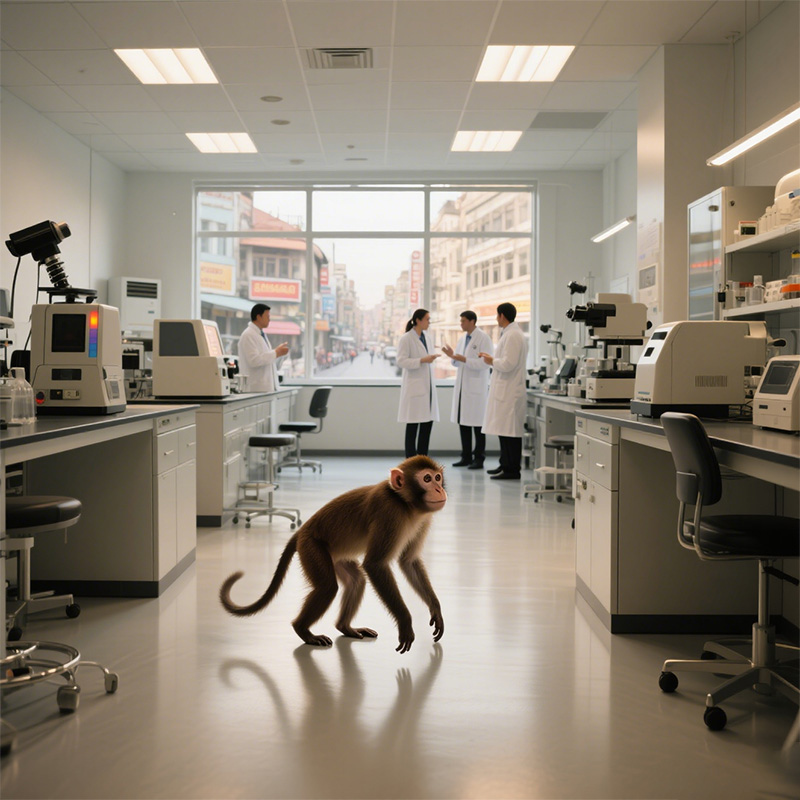
Solution approach: laboratory animal ICU Research Optimized Unit:
- Dimensions: 150×100×80 cm H×B×T
- Vibration damping platform ISOClass4, modular side walls for device mounting
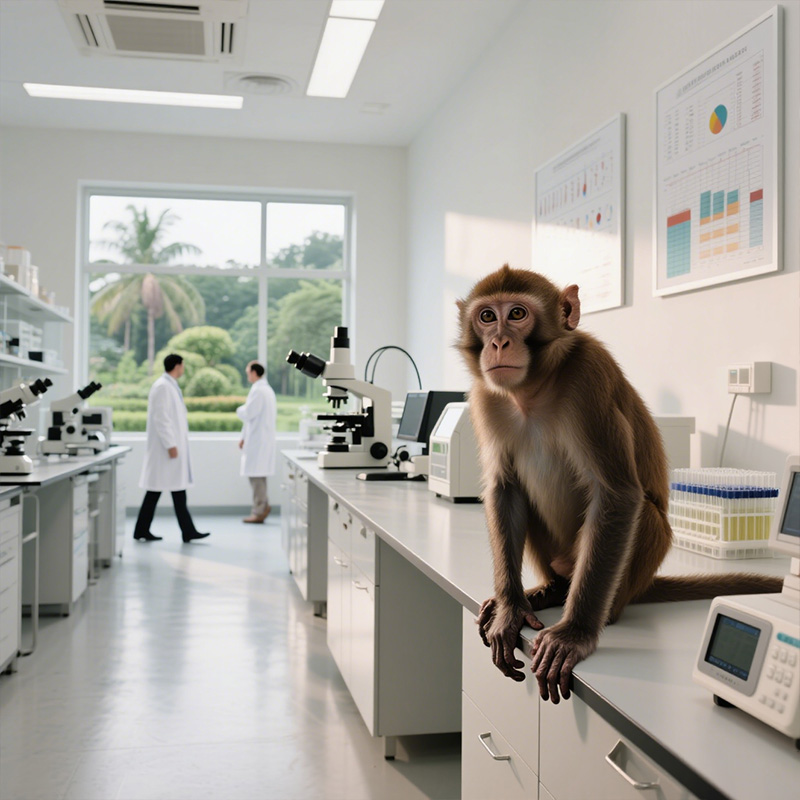
Environmental Control:
- Temperature control with 0.1°C Precision 25–40°C
- 12/12 light cycle with 30 min sunrise/sunsetMonitoring systems:
- Non-Contact Respiratory Frequency Measurement Laser Speckle Method
- Automatic blood sampling 4 x daily. Stress arm
Basic support:
- Adjustable feeding station with weighing cells ±0.1 gAccuracy
Special function:
- Neural ICU Link: Real-time synchronization with laboratory databasesRecreation & Research results
- Tag 3 post-op: Stable Neural Signals SNR> 20 dB, independent feed intake
- Week 2: 90% restored basic motor function, validated fever curve for immunology study
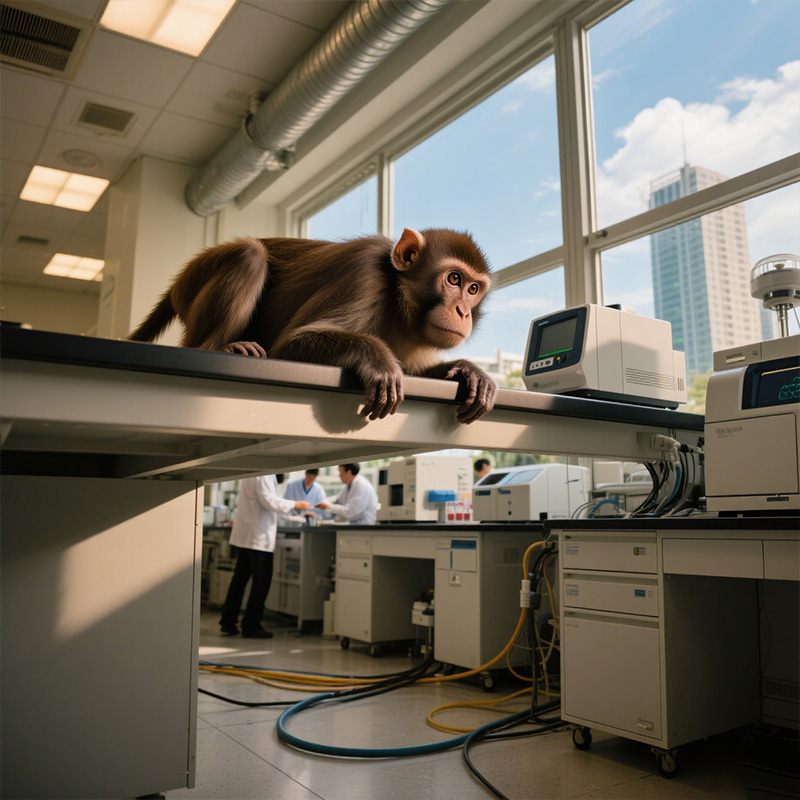
Technical comparison
| Function | Standard Cage | Laboratory ICU |
| Neuro-Monitoring | Externer Headstage | Integrated radio system |
| Temperaturkontrolle | ±2 °C Schwankung | 0.1°C Precision |
| Data collection | Manual input | Automatic Cloud Synchronization |
| Oxygen supply | Face mask | Oxygen chamber |
Scientific Benefits
- 50% less EEG artifacts
- 35% faster post-op recovery time
- 24/7 multimodal data acquisition possible